
Table of Contents
- Embracing Automation for Efficiency
- Leveraging Artificial Intelligence
- Implementing Corporate Cards
- Utilizing Real-Time Data Analytics
- Establishing Clear Expense Policies
- Promoting Sustainability Through Digital Solutions
- Conclusion
Strategically managing expenses is at the heart of sustainable business expansion. Companies that adopt intelligent and streamlined expense management practices position themselves to control costs, improve transparency, and uncover new growth opportunities. Click here to learn how leading organizations are already harnessing modern tools to reduce administrative bottlenecks and unlock greater financial clarity.
More innovative expense management not only leads to direct cost savings but also provides decision-makers with valuable insights to optimize resource allocation and respond to emerging business needs. Proactive companies realize that driving efficiency in expense workflows reduces operational friction, improves compliance, and supports stronger growth.
This article provides an in-depth look at evolving best practices in expense management, from automation and AI to policy development and sustainability initiatives, demonstrating actionable ways organizations can fuel growth through educated financial oversight.
Embracing Automation for Efficiency
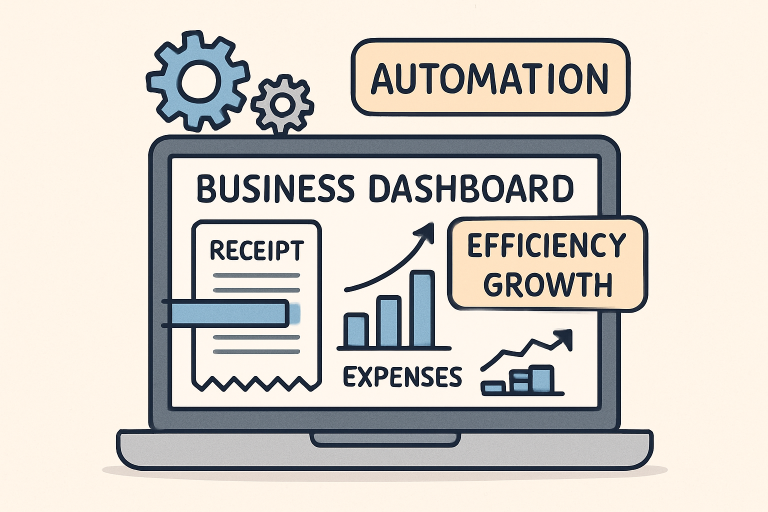
Manual tracking and reconciliation of business expenses often consume invaluable hours for finance teams. Transitioning to an automated system provides substantial relief, streamlining processes and capturing spending data in real time. Solutions featuring Optical Character Recognition (OCR) can instantly digitize paper receipts and route them into accounting systems with accuracy, drastically reducing manual-entry errors.
Automated platforms free up employees to spend more time on strategic initiatives and provide management with centralized visibility into company-wide expenditures. Minor changes in expense reporting through automation can create compounding efficiencies, setting a solid foundation for future business scaling. According to Harvard Business Review, automation in expense management not only improves compliance but also delivers timely, actionable information to leadership teams.
Leveraging Artificial Intelligence
Artificial Intelligence (AI) is rapidly changing how organizations analyze and manage expenses. AI-driven platforms can automatically classify transactions, highlight suspicious or out-of-policy spending, and learn spending behavior to provide targeted recommendations. Advanced systems can even generate predictive insights, helping organizations anticipate overspending or pinpoint cost-saving opportunities long before they become budget issues.
By integrating AI, companies can eliminate tedious review processes and make smarter, data-supported decisions. This not only reduces risk but also paves the way for intelligent budget forecasts and agile, growth-focused planning. A McKinsey & Company report underscores AI’s potential to uncover actionable opportunities that drive sustainable growth across sectors.
Implementing Corporate Cards
To further modernize corporate spending, many companies are implementing corporate cards that easily integrate with expense management software. These cards automate transaction logging and provide granular, real-time control over company spending. Administrators can set tailored spending limits, approve or deny purchases in real time, and restrict cards to select vendors or categories to tighten policy compliance.
Integrating card data directly into expense management platforms not only saves time but also reduces the risk of fraud or unauthorized purchases. This system enhances transparency for both finance teams and employees by providing instant access to transaction histories and reducing administrative backlogs. Leading corporate cards also streamline employee reimbursement processes, making it easier for staff to manage business-related purchases without delay.
Utilizing Real-Time Data Analytics
The ability to analyze spending data in real time is increasingly vital for businesses aiming to stay competitive. Real-time data analytics enables leaders to monitor and adjust expense patterns at a moment’s notice, identifying inefficiencies or violations before they escalate. With immediate access to detailed dashboards, organizations can swiftly align spending with strategic priorities and respond to unforeseen challenges with agility.
Enhanced visibility through real-time reporting also supports audits and compliance efforts, reducing the likelihood of errors and ensuring timely reporting for stakeholders. Real-time insights give management a powerful tool to optimize budgets and enforce fiscal discipline company-wide, ultimately strengthening the organization’s growth trajectory.
Establishing Clear Expense Policies
Clearly defined expense policies form the backbone of effective expense management. Comprehensive policies should outline acceptable expenses, preferred vendors, reimbursement procedures, and approval workflows. Regular communication and ongoing education ensure that employees understand their responsibilities and are more likely to comply with guidelines.
To stay current, organizations must regularly revisit and revise expense policies to reflect changes in regulations, business models, or company goals. Consistent enforcement and transparent documentation not only minimize disputes but also foster a culture of financial responsibility and trust throughout the company. For additional insights into developing effective company policies, explore the Society for Human Resource Management’s guidance.
Promoting Sustainability Through Digital Solutions
Digitizing expense management processes has benefits beyond efficiency, playing a vital role in sustainability initiatives. Adopting cloud-based platforms and going paperless can significantly reduce an organization’s environmental impact. Digital receipts and automated workflows reduce the need for paper documentation and minimize waste throughout the organization.
These sustainability improvements align with growing consumer and regulatory expectations for corporate environmental responsibility. Companies that prioritize green practices often experience increased brand loyalty and can use their advancements as part of broader corporate social responsibility efforts.
Conclusion
Implementing more innovative expense management strategies is essential for any business looking to drive growth, improve operational efficiency, and foster a culture of accountability and sustainability. By leveraging automation, AI, corporate cards, real-time analytics, and robust policies, organizations can achieve greater control over their finances. These measures not only optimize current processes but also provide the agility necessary to seize new opportunities and secure long-term success in a fast-changing business landscape.
