
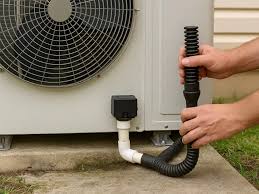
Air conditioning systems play a vital role in maintaining indoor comfort, especially during warm months. However, one issue that often goes unnoticed until it becomes serious is a clogged drain line. The condensate drain removes excess moisture generated during cooling, keeping humidity levels balanced and components operating efficiently. When the drain becomes blocked, water backs up, potentially damaging the system and surrounding areas. Clogged drains might seem minor, but their impact can lead to system inefficiency, breakdowns, and costly repairs. Understanding this relationship helps homeowners maintain a healthier, longer-lasting air conditioning system.
We Will Explore How the Drain Function Affects System Efficiency
The drain system in an air conditioner serves a critical purpose—removing condensation from evaporator coils to prevent water accumulation. We will explore how this function influences system efficiency and performance. When the drain becomes clogged with dust, algae, or debris, moisture has nowhere to go, leading to internal flooding and water buildup. This excessive moisture interferes with airflow, reducing the system’s ability to cool efficiently. Over time, the backed-up water can cause components such as the blower motor or fan assembly to operate harder, increasing energy consumption and wear.
Additionally, standing water inside the unit can promote mold growth, further obstructing airflow and degrading indoor air quality. Preventive cleaning and regular inspection of the drain line can significantly improve system performance and prevent costly damage. The drainage process might seem small, but its impact extends to the overall efficiency, comfort, and safety of an air conditioning system.
We Will Explore How Clogs Lead to Water Damage and System Strain
One of the most severe consequences of a clogged AC drain is water damage. We will explore how this issue extends beyond the unit itself to affect both the home’s structure and efficiency. When condensation cannot properly drain, water overflows into surrounding components or leaks onto nearby walls, ceilings, or flooring. This hidden moisture can warp materials, damage insulation, and even promote electrical hazards. Furthermore, prolonged strain from blockages increases internal pressure on the evaporator coils and drain pans, which can cause cracks or leaks that exacerbate the problem. In more advanced cases, clogs can trigger safety switches that automatically shut down the system, leaving homeowners without cooling during peak summer temperatures. When such complications arise, timely air conditioning repair services in Haltom City are essential to restore full functionality and prevent long-term deterioration. Addressing drainage issues early preserves system performance, protects property integrity, and helps avoid expensive repairs and unnecessary replacements.
We Will Explore How Mold and Mildew Growth Affects Indoor Air
Clogged drains do more than affect mechanical components—they also affect indoor air quality. We will explore how trapped moisture within the HVAC system promotes mold and mildew growth. The constant humidity within a clogged drain pan creates an ideal breeding ground for these contaminants, which can quickly spread through the ductwork and into living spaces. Over time, this spore circulation contributes to musty odors, respiratory discomfort, and potential allergic reactions. Mold can even accumulate on coils and filters, blocking airflow and further reducing system efficiency. Regularly cleaning the condensate line and keeping filters fresh prevents this issue from escalating. Homeowners should also ensure that drain pans remain dry between cooling cycles to discourage microbial growth. When indoor air becomes contaminated due to drainage issues, the effects extend beyond comfort—they affect health, indoor air quality, and the overall livability of the home. Proper care ensures both clean air and reliable cooling performance.
We Will Explore How Electrical Components Are Put at Risk
Water and electricity never mix, yet a clogged AC drain often creates conditions that allow moisture to reach sensitive electrical components. We will explore how this can lead to shorts, corrosion, and mechanical failure. Once water overflows from a blocked drain pan, it can drip onto circuit boards, control panels, or wiring within the air handler. Even a small amount of moisture can corrode connections and disrupt voltage flow. As corrosion spreads, sensors may malfunction, causing the system to cycle irregularly or shut off unexpectedly. Some systems are equipped with float switches that shut down when excess water is detected, but repeated exposure can still cause long-term damage. Electrical malfunctions not only reduce performance but also create potential fire hazards if left unchecked. Protecting these components through regular drain cleaning and inspections helps ensure that electrical parts stay dry and operational. Keeping moisture away from these areas is crucial to maintaining both safety and reliability.
We Will Explore How Neglected Clogs Affect Energy Consumption
Energy efficiency declines rapidly when an air conditioner operates under strain caused by a clogged drain. We will explore how even minor obstructions can increase utility bills. When condensation cannot flow properly, it accumulates within the system, forcing fans and compressors to run longer to achieve the same cooling output. This increased operation consumes more electricity, often going unnoticed until energy costs rise. Additionally, restricted drainage increases indoor humidity, making temperatures feel warmer and prompting residents to lower the thermostat further. As the system compensates for this imbalance, energy use continues climbing. Over time, components wear out more quickly due to prolonged operation, further reducing efficiency. Regular cleaning and monitoring of the drain line prevent unnecessary energy waste and maintain consistent comfort levels. Addressing clogs quickly isn’t just about avoiding repairs—it’s about ensuring the system performs efficiently, saving both energy and money throughout the cooling season.
We Will Explore How Regular Maintenance Prevents Future Clogs
Preventive maintenance remains the most effective way to avoid the problems caused by clogged AC drains. We will explore how consistent care protects both performance and longevity. During maintenance visits, technicians flush the condensate line to remove dirt, algae, and buildup before they cause blockages. They also inspect the drain pan, filters, and coils for early signs of water retention or corrosion. Simple DIY habits, like pouring a mild vinegar solution into the drain every few months, can also keep it clear. In humid regions, installing a safety switch or a secondary drain line provides an additional layer of protection against unexpected overflow. Keeping up with these small steps ensures smoother operation and reduces the risk of sudden breakdowns during high-demand periods. Routine maintenance not only prevents clogs but also keeps the entire system in optimal shape, supporting energy efficiency and preventing premature component failure from moisture-related stress.
We Will Explore How Drain Design Impacts System Reliability
The layout and design of an AC’s drainage system significantly influence its ability to manage moisture effectively. We will explore how proper drain configuration contributes to long-term reliability. Poorly designed or installed drain lines often have sharp bends, low slopes, or narrow passages that trap debris and encourage blockages. Over time, this improper setup can cause recurring clogs, leading to repeated system shutdowns or flooding. Ensuring that the drain has a smooth, steady slope toward the outlet promotes consistent flow.
Additionally, using durable PVC materials rather than flexible tubing helps prevent kinks and buildup. When new systems are installed, proper planning of the condensate line path simplifies maintenance and prevents future problems. Homeowners should also verify that the drain terminates in an accessible location for cleaning. Thoughtful design doesn’t just improve drainage—it extends the entire system’s lifespan by minimizing stress and water-related damage.
A clogged drain may seem like a minor maintenance issue, but its impact on an air conditioning system can be far-reaching. From reducing energy efficiency to causing water damage and mold growth, neglected drainage can compromise both performance and comfort. Regular maintenance, proper design, and timely cleaning protect the system from unnecessary strain and costly repairs. By staying proactive, homeowners can ensure their air conditioners run smoothly and efficiently for years to come. Small preventive measures go a long way toward maintaining comfort, lowering energy costs, and avoiding disruptions from hidden moisture and clogged drains.
