
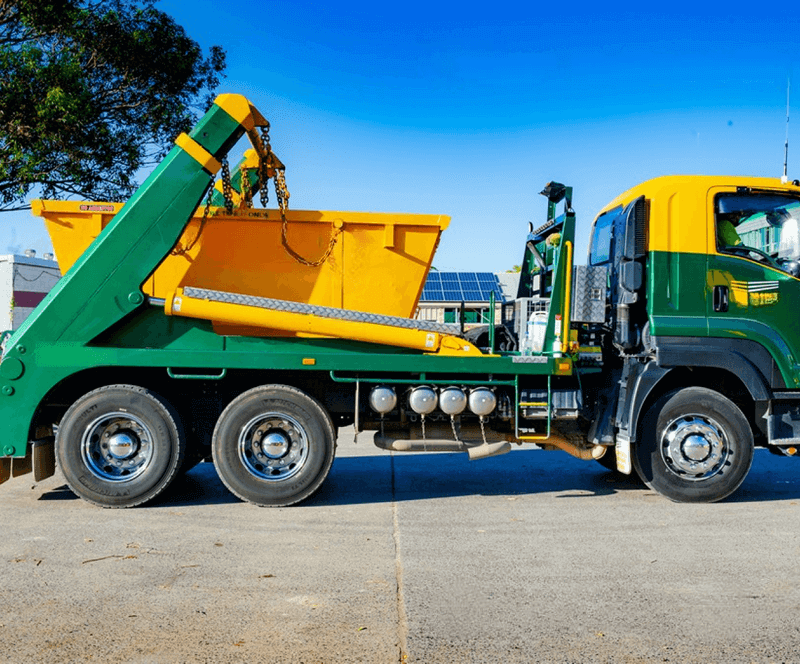
Finding the right equipment is essential for managing waste efficiently, whether you’re handling construction debris, large clean-outs, or regular commercial disposal. Many businesses and contractors rely on a Skip bin truck to streamline collection, transport, and disposal. Choosing the right truck ensures smoother operations, better safety, and reduced overall costs. Understanding what to look for can help you make a confident and practical decision.
Assess the Type and Volume of Waste You Handle
The first step in selecting the right truck is determining the kind of waste you need to manage. Construction sites often generate heavy materials like concrete and bricks, while commercial properties may deal with lighter but larger volumes of waste. The weight and size of the load will influence the truck’s capacity and lifting system. Choosing a truck that matches your typical waste profile prevents overloading issues and improves efficiency.
Consider the Truck Size and Load Capacity
Skip bin trucks come in a range of sizes, from compact units suitable for narrow suburban streets to large, heavy-duty trucks built for industrial projects. Think about the access routes where the truck will be operating. If your work areas have tight driveways, limited turning space, or busy urban layouts, a smaller truck may be more practical. For large-scale operations, however, higher load capacity will save time and reduce the number of trips needed.
Choose the Right Lifting Mechanism
Different skip bin trucks use different lifting systems, each suited to specific tasks. Hook-lift trucks are versatile and ideal for heavy, oversized bins, while hydraulic lift systems offer smooth and controlled loading for more fragile environments. Understanding how these mechanisms work helps you choose a truck that aligns with your operational needs and supports safer, more efficient bin handling.
Evaluate Durability and Build Quality
The durability of a skip bin truck directly impacts long-term performance. Look for models built with reinforced frames, reliable hydraulics, and corrosion-resistant components—especially if the truck will be exposed to harsh materials or weather conditions. High-quality construction reduces the risk of breakdowns, extends the truck’s lifespan, and lowers maintenance costs over time.
Check Safety Features and Stability
Safety should always be a priority when selecting equipment. Modern trucks often include stability controls, improved braking systems, and enhanced visibility features to reduce workplace risks. A truck with well-designed safety functions not only protects operators but also ensures compliance with industry standards and regulations.
Review Operating and Maintenance Costs
Beyond the initial purchase price, ongoing costs play a significant role in choosing the right skip bin truck. Fuel efficiency, ease of servicing, and availability of spare parts all affect long-term affordability. Opting for a model with accessible components and a strong service network can minimise downtime if repairs are needed.
Think About Future Business Needs
Choosing a skip bin truck isn’t just about meeting current demands—it’s also about preparing for growth. If you expect your waste management needs to expand, selecting a truck with greater capacity or more versatility may be a better long-term investment. Planning ahead helps avoid the need for another upgrade sooner than expected.
Final Thoughts
Selecting the right skip bin truck involves balancing capacity, lifting capabilities, durability, and operational costs. When you choose a truck that suits your waste management requirements, you improve workflow, reduce risks, and ensure dependable daily performance. With careful consideration, the right equipment can make your waste handling process cleaner, safer, and far more efficient.
