

Table of Contents
- Understanding SEO Basics
- Conducting Keyword Research
- Optimizing On-Page Elements
- Enhancing Technical SEO
- Building Quality Backlinks
- Creating High-Quality Content
- Monitoring and Adjusting Strategies
- Final Thoughts
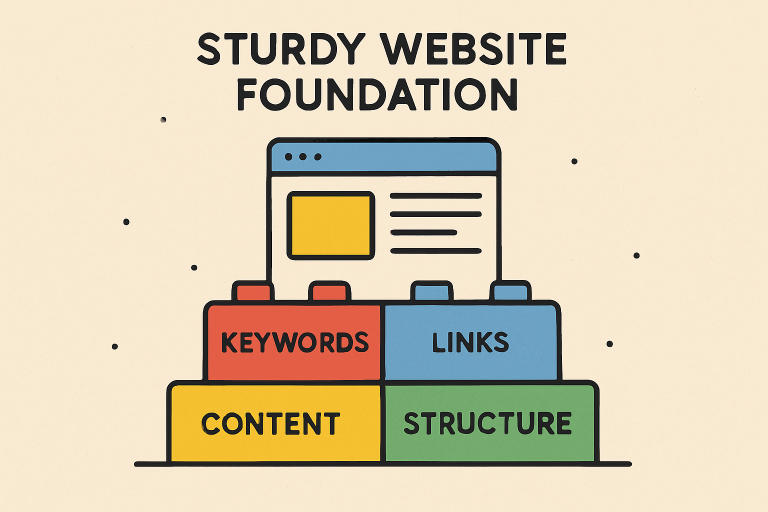
Building a robust SEO foundation is crucial for enhancing your website’s search engine visibility and generating consistent organic traffic. Understanding the essential elements of SEO helps ensure that your site is accessible, relevant, and meets the technical requirements needed to achieve high rankings. If you’re ready to boost your search presence, partnering with an expert technical SEO company can provide specialized guidance and effective strategies to accelerate your results.
Solid SEO not only improves your rankings but also enhances your site’s credibility, offering users a seamless experience and positioning your business as an industry leader. When these foundational aspects are in place, ongoing efforts in content creation and link building will be more effective and yield sustainable, long-term growth.
SEO continues to evolve as search engines refine their algorithms to provide users with better experiences. By learning and implementing best practices, site owners can better meet these shifting expectations and stay ahead of competitors. This guide covers everything you need to know to lay the groundwork for lasting SEO success.
Understanding SEO Basics
SEO, or Search Engine Optimization, is the art and science of tailoring your website so it ranks higher in search engine results. The foundation of SEO focuses on making your site crawlable, understandable, and valuable to both users and search engines. Key aspects include having a clear site structure, relevant content, and authority signals from trusted sources.
Google and other search engines evaluate a website’s quality based on content relevance, the technical health of the site, and signals of trust, such as backlinks and user engagement. By paying attention to these factors early, you create a foundation that future-proofs your site against algorithm changes and maintains your web presence strength.
Conducting Keyword Research
Effective keyword research is the core of any successful SEO strategy. By identifying the actual words and phrases your target audience uses, you can tailor your website content to match search intent. Powerful tools help you analyze keyword volume, difficulty, and the competitive landscape.
When conducting keyword research, prioritize terms that have a high search volume and closely align with your website’s focus. Don’t overlook long-tail keywords—these more specific queries often have lower competition and can attract highly qualified visitors. As you compile your keyword list, consider user intent and how you can effectively address key questions and pain points.
Optimizing On-Page Elements
On-page SEO enables you to control the key elements of each webpage directly, thereby boosting visibility and relevance. Core components include:
- Title Tags: Unique, descriptive titles that incorporate target keywords.
- Meta Descriptions: Compelling summaries designed to entice users to click through from search results.
- Header Tags: Structured headings (H1, H2, H3) that organize content for both users and search engines.
- URL Structure: Clean, logical URLs with relevant keywords, avoiding unnecessary parameters and numbers.
These elements should be crafted with care, as they communicate the context of your page to both search engines and users. Ensuring that every page is optimized creates a consistent and positive overall experience, increasing the likelihood of higher rankings and engagement.
Enhancing Technical SEO
Technical SEO ensures your website is fast, secure, and accessible to search engines. This creates a solid infrastructure upon which all other SEO efforts can thrive. Key areas to address include:
- Site Speed: Compress images, enable caching, and minimize code bloat to optimize load times, which directly impact both user experience and search engine rankings.
- Mobile-Friendliness: Ensure your site is responsive and functions seamlessly across all devices.
- Secure Connection: Implement HTTPS to protect users’ data and instill trust with both visitors and search engines.
- XML Sitemap: Submit a comprehensive and regularly updated sitemap to help search engines efficiently discover and index your content.
Technical SEO lays the groundwork for strong rankings and a positive user experience, addressing many of the factors search engines use to evaluate website quality.
Building Quality Backlinks
High-quality backlinks signal to search engines that your website is credible and authoritative. Earning backlinks from trusted, relevant websites should be a core part of your SEO strategy. Ways to acquire strong backlinks include:
- Guest Blogging: Write informative articles for industry-related websites, including a link back to your own content where appropriate.
- Content Outreach: Share your best resources with bloggers, journalists, and influencers who may find it valuable to link to your site.
- Digital PR: Secure mentions and links through media outreach, press releases, and participation in industry events or discussions.
Sustainable link-building focuses on genuine value and relationships rather than shortcuts or manipulative tactics, which could result in penalties.
Creating High-Quality Content
Your website’s content should inform, engage, and serve the needs of your audience. Search engines rank content that is original, well-structured, and regularly updated over static or superficial pages. Develop blog posts, guides, case studies, and FAQs that directly address your audience’s most significant questions and challenges.
Fresh, authoritative content highlights your expertise and helps build both trust with users and authority with search engines. Focus on delivering real value, understanding your audience’s intent, and providing actionable insights.
Monitoring and Adjusting Strategies
SEO is not set-and-forget. Regular monitoring with tools is vital for tracking performance. These tools reveal which pages are attracting traffic, which keywords are performing well, and where visitors tend to drop off the site.
Analyze this data to spot trends and areas for improvement. By staying agile and updating your tactics based on real-world performance, you ensure your SEO strategy delivers consistent, long-term results.
Final Thoughts
Establishing a robust SEO foundation is about more than just ticking boxes—it’s about creating an ecosystem where your site can grow organically and withstand changes in the digital landscape. By mastering keyword research, on-page optimization, technical improvements, relationship-driven backlink building, and content excellence, you’re setting your website up for success. Staying informed about SEO updates and algorithm changes keeps your strategy sharp, helps you surpass competitors, and assures lasting growth in search visibility and traffic.
