
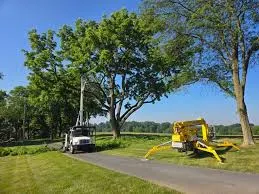
Understanding the Importance of Seasonal Tree Trimming
Regular, thoughtful tree trimming plays a crucial role in keeping Pittsburgh landscapes safe and thriving. It is a proactive step that not only minimizes the risk of falling limbs during storms but also encourages healthy, vigorous growth. Removing weak, dead, or diseased branches prevents larger safety hazards and enables trees to channel energy into new, robust branches.
Trees that are pruned as part of an annual maintenance routine also enhance curb appeal by developing balanced, attractive crowns and healthy foliage. For those seeking the highest standard of care, it’s wise to consult with specialists. When you choose professional tree trimming in Pittsburgh, PA, from Tripoli Tree Care, you benefit from a trusted team with years of local experience. Tripoli Tree Care is dedicated to serving property owners throughout the Pittsburgh area. It is recognized for precise trimming, expert advice, and a deep understanding of regional tree species and conditions. Their tailored services help protect both your property’s value and its landscape’s beauty.
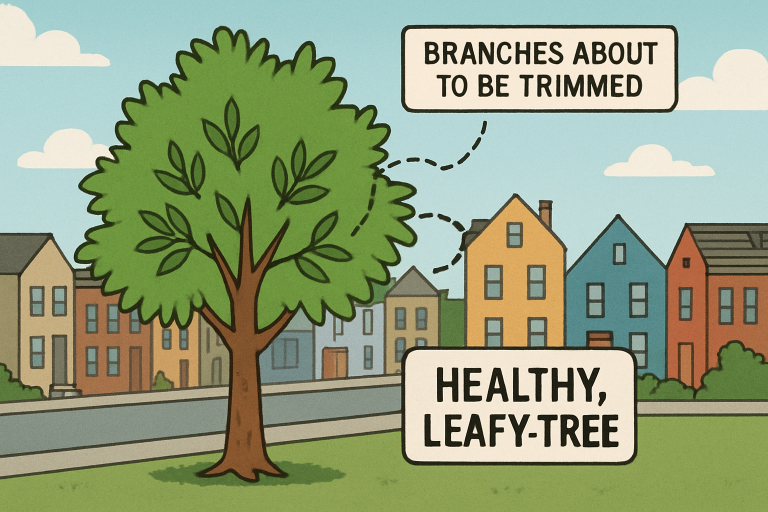
Optimal Timing for Tree Trimming in Pittsburgh
Successful tree trimming in Pittsburgh depends on understanding not only what to cut but also when to cut. The timing can significantly influence both tree health and future growth patterns, with variations according to tree species and your pruning objectives. Here’s what property owners need to know:
Late Winter to Early Spring (February to April)
This is typically the best period to trim most deciduous trees. Trimming while trees are dormant means less sap loss and a reduced risk of infection, which is especially important in Pittsburgh’s often-wet springs. Slower wound closure during warmer seasons can leave trees more vulnerable, so dormant trimming is preferred, except for early-flowering trees like cherries and magnolias, which should be cut after their spring blooms.
Summer (June to August)
If shaping or the removal of minor branches is all that’s needed, summer trimming can be effective. However, significant cuts during high-heat and active-growth periods may cause undue stress and should be kept to a minimum.
Fall (Not Recommended)
Trimming in the fall is risky. As trees prepare for winter dormancy, their immune response weakens. Any fresh wounds created at this stage are slow to heal, leaving them open to pest or fungal infections.
For further reading, the Better Homes & Gardens guide on pruning offers practical insight into species-specific timing and the science behind seasonal cuts.
Special Considerations for Pittsburgh’s Climate
Trees in Pittsburgh face distinct climatic stressors that necessitate specialized care routines. The long, cold winters and frequent use of road salt can negatively affect tree health, particularly for those planted near sidewalks and driveways.
- Winter Pruning: Between late November and mid-March, most trees are fully dormant. This is a prime time to trim without risking the introduction of disease or pest infestations. Dormant pruning also limits sap flow and encourages vigorous spring regrowth.
- Salt Damage Prevention: Homeowners can protect roots and soil structure during icy spells by opting for salt alternatives such as potassium chloride or magnesium chloride instead of sodium-based deicers.
Best Practices for Effective Tree Trimming
Safe, healthy tree trimming requires sharp, sterilized equipment and an understanding of the tree’s growth. Cutting tools should be disinfected between uses to reduce the risk of spreading disease between plants. It’s recommended never to remove more than one-third of a tree’s crown in a single session, as excessive removal can stunt growth or cause die-back.
For large or hard-to-reach branches, enlisting certified arborists ensures not just safety but also the long-term health of your trees. Professionals are trained to identify structural weaknesses and to use proper cutting techniques that facilitate rapid healing.
Common Mistakes to Avoid
- Over-Pruning: Removing too much foliage exposes trees to sunscald and makes them less resilient to wind and pests.
- Improper Timing: Trimming outside the optimal seasonal window can cause a shock and delay new growth.
- Neglecting Young Trees: Early structural pruning establishes a strong, stable framework for future growth, yet is frequently overlooked by property owners.
FAQs
Can I Trim Trees in Winter in Pittsburgh?
Yes, the majority of Pittsburgh’s native and ornamental trees tolerate, and even thrive with, late winter pruning. Trees are dormant, so the risk of stress, disease, or insect damage is minimized.
Is Summer Tree Trimming Harmful?
Minimal summer trimming, such as shaping or light “touch-ups,” is typically fine, but avoid heavy cutting, as it can overtax trees during peak growth and heat-stress periods.
Do I Need a Permit to Trim Trees on My Property?
For most trees on private property, no permits are necessary in Pittsburgh. However, always check local guidelines if your tree is near public sidewalks, on shared property lines, or under utility wires to avoid legal or safety issues.
Conclusion
Consistent, seasonally appropriate tree trimming is essential to the health and appearance of Pittsburgh’s residential and commercial landscapes. By understanding optimal timing, following proven best practices, and relying on expert tree care providers such as Tripoli Tree Care, property owners can ensure their trees flourish through every season.
