
Key Takeaways
- Prioritize safety by assessing injuries and, if possible, moving to a secure location.
- Call emergency services to report the accident and obtain an official report.
- Document the scene thoroughly with photos and gather witness information.
- Exchange contact and insurance details with all involved parties.
- Seek medical attention promptly, even if injuries aren’t immediately apparent.
- Notify your insurance company as soon as possible to initiate the claims process.
Table of Contents
- Immediate Safety Measures
- Contacting Emergency Services
- Documenting the Accident Scene
- Exchanging Information
- Seeking Medical Attention
- Notifying Your Insurance Company
- Understanding No-Fault Insurance Systems
- Consulting Legal Advice
A car accident can happen in an instant, leaving drivers and passengers dazed and unsure about what to do next. Having a clear plan for what to do following a crash can minimize stress, ensure everyone’s safety, and safeguard your interests. Whether you’re in a minor fender bender or a more serious collision, knowing how to respond is crucial for protecting your health and your legal rights. For those in Central Florida, it is also wise to consider local resources such as https://www.855dolor55.com/orlando/ for further guidance.
Taking the proper actions can influence not only your recovery but also the outcome of insurance claims and legal proceedings. From making the scene secure to gathering evidence and following through on medical checks, preparedness can make a big difference in the aftermath of any accident. While every car accident is different, following these structured steps will help you handle the situation effectively and avoid common pitfalls. By being proactive in the crucial minutes and days after a crash, you are more likely to enjoy a smooth recovery process and fair treatment by insurers and other parties involved.
Immediate Safety Measures
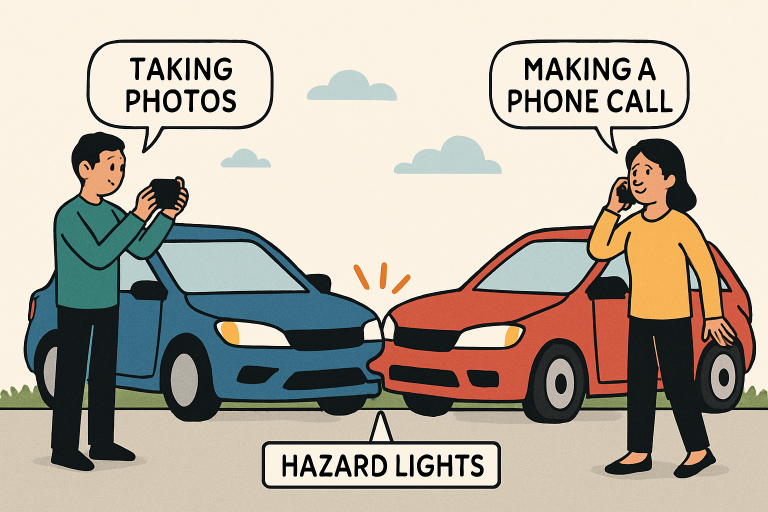
Immediately after a car accident, focus on safety first. Check yourself and any passengers for injuries. If it’s safe and your vehicle is drivable, pull off to a secure area away from traffic, such as the shoulder or a nearby parking lot. Turn on your hazard lights to alert approaching drivers. If moving the car isn’t possible, stay inside with your seatbelt fastened until help arrives, especially on busy roads where exiting could be dangerous.
Contacting Emergency Services
Regardless of how severe the collision seems, always call 911 to report the accident. This necessary action ensures that first responders are sent to the scene when needed and that an official accident report is created. Having these professional records can be essential in the days ahead, not just for your own protection, but also for smoothing communication with insurance providers and authorities. The police report will typically document details crucial to understanding how the incident happened, which could be important in establishing responsibility.
Documenting the Accident Scene
Thorough documentation at the accident scene provides a foundation for your insurance claim and any legal proceedings. Use your smartphone to capture clear photos of all vehicles involved, any visible damage, license plates, the surrounding road, signposts, and hazards that might have contributed to the collision. If witnesses are available, politely ask for their contact information, as their testimonials could become invaluable for validating your account of events. It is also helpful to jot down your own notes about what happened while it is still fresh in your memory.
If you want to learn more about documenting an accident scene properly, reputable organizations such as the National Highway Traffic Safety Administration provide comprehensive checklists and guidance.
Exchanging Information
Once everyone is safe and emergency services are on their way, exchange essential information with the other drivers. This includes names, phone numbers, insurance details, license plate numbers, and driver’s license numbers. Be civil and limit conversation to the exchange of necessary information; avoid admitting fault or making statements that could inadvertently be used against you later. Remember, insurance adjusters determine fault and, if required, do so through a legal process.
Seeking Medical Attention
Accident injuries do not always manifest immediately. Even if you feel fine, it is crucial to have a healthcare professional examine you as soon as possible. Some injuries, such as whiplash or concussions, might remain hidden for hours or even days. Medical documentation plays a critical role in linking any injuries to the accident, which is key for both insurance claims and personal well-being. Prompt care also improves your chances of a swift recovery.
Notifying Your Insurance Company
Contact your insurance company as soon as possible after the accident to begin the claims process. Share clear, accurate, and factual information about what occurred, but avoid admitting fault or speculating about responsibility while explaining the incident. Allow your insurer to conduct a thorough investigation based on the evidence. Prompt reporting helps prevent unnecessary delays and protects your coverage eligibility, while waiting too long could complicate your claim. Have all relevant documents, photos, and contact information ready to support your account of events.
Understanding No-Fault Insurance Systems
No-fault insurance is required in several states and fundamentally changes how accident claims are handled. Under a no-fault system, your own insurance covers injury-related expenses regardless of who caused the accident. Understanding how these rules work in your state can help you navigate the claims process more efficiently and ensure you get the benefits to which you are entitled. To see which states use no-fault systems and better understand your rights, explore this comprehensive guide.
Consulting Legal Advice
If you are facing substantial property damage, injuries, or anticipate disputes about fault, consulting with a legal professional is recommended. Attorneys who specialize in car accident cases can guide you through complex insurance negotiations and protect your rights at every step. Legal advice becomes particularly valuable if injuries lead to expensive medical care, time away from work, or questions about liability that could become contentious.
While nobody wants to be involved in a car accident, understanding and following these essential steps after a collision helps ensure your safety, health, and legal protection. Being prepared can streamline every part of the process, from emergency care to the efficient resolution of claims.
