
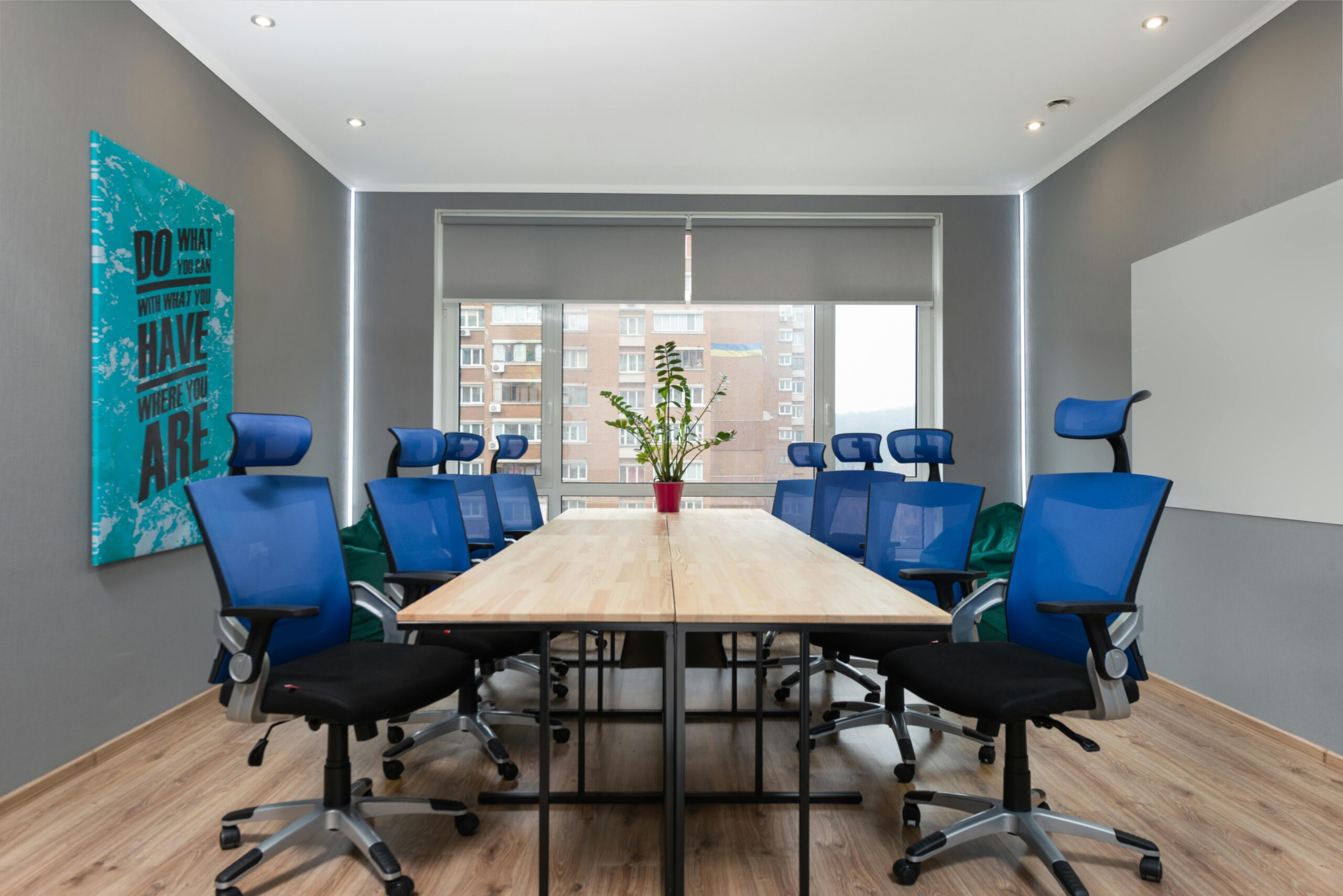
Creating a professional office space involves so much more than just picking out a desk and chair. The environment where you work has a profound impact on productivity, employee morale, and the impression you leave on clients and business partners. Whether you’re setting up a brand-new office or giving an existing workspace a much-needed refresh, thoughtful design choices can completely transform an ordinary room into a productive, inspiring professional environment.
A well-planned office space strikes that perfect balance between functionality and aesthetics, creating an atmosphere that supports focused work while reflecting your company’s values and culture. Here’s the good news: building a professional office doesn’t require an unlimited budget or hiring a professional interior designer. With strategic planning and attention to key elements, you can create an impressive workspace that enhances both efficiency and professionalism.
Prioritize Quality Furniture and Ergonomic Design
The foundation of any professional office space starts with selecting appropriate furniture that combines comfort, functionality, and durability. When you invest in ergonomic chairs with proper lumbar support, adjustable features, and quality materials, you’re doing more than just purchasing seating, you’re demonstrating a genuine commitment to employee well-being while preventing the long-term health issues that come with poor posture.
Desks should provide adequate surface area for computers, documents, and work materials while maintaining clean lines that contribute to a professional appearance. Have you considered adjustable standing desks? These allow workers to alternate between sitting and standing positions throughout the day, promoting better circulation and reducing that afternoon fatigue we all know too well. Storage solutions like filing cabinets, bookcases, and credenzas should match your desk and seating choices, creating visual cohesion while providing organized spaces for documents and supplies.
Remember that furniture serves as a long-term investment. Choosing quality pieces that withstand daily use proves far more cost-effective than repeatedly replacing cheaper alternatives. The right furniture selection communicates professionalism to visitors while creating a comfortable environment where employees can consistently perform their best work.
Optimize Lighting for Productivity and Comfort
Proper lighting dramatically affects both the functionality and atmosphere of your office space, influencing everything from employee mood to work accuracy. Natural light should be maximized whenever possible, studies consistently show that exposure to daylight improves alertness, reduces eye strain, and enhances overall well-being.
Position workstations near windows to take advantage of natural illumination, but don’t forget to install adjustable blinds or curtains to control glare during those peak sunlight hours. Supplement natural light with layered artificial lighting that includes ambient overhead fixtures, task lighting for individual workstations, and accent lighting to highlight architectural features or artwork. LED bulbs offer energy efficiency and longevity while providing clean, bright illumination that doesn’t generate excessive heat.
Avoid harsh fluorescent lighting that creates unflattering shadows and contributes to headaches and fatigue. Instead, opt for warm white or daylight-temperature LEDs that more closely mimic natural sunlight. Make sure all work areas receive adequate illumination for their specific tasks, with brighter lighting in areas requiring detailed work and softer lighting in conference rooms or break areas. Thoughtful lighting design creates a welcoming professional atmosphere while supporting the visual demands of modern office work.
Maintain Organization and Minimize Clutter
A cluttered, disorganized office undermines professionalism and creates unnecessary stress while reducing productivity and efficiency. Let’s face it, nobody does their best work in chaos. Implementing systematic organization strategies helps maintain a clean, professional appearance that impresses clients and creates a more pleasant work environment for employees.
Establish designated spaces for all office supplies, documents, and equipment, ensuring everything has a specific home where it can be easily located when needed. Utilize filing systems, drawer organizers, and labeled storage containers to keep materials sorted and accessible without creating visual chaos on desk surfaces or shelves. Encourage a clean desk policy where employees clear their workspaces at the end of each day, filing away completed work and preparing for the next day’s tasks.
Digital organization proves equally important. Implement cloud storage solutions and file naming conventions that make electronic documents easy to find and share among team members. Regular decluttering sessions help prevent the gradual accumulation of unnecessary items that consume valuable space and create visual distractions. Cable management solutions such as desk grommets, cable trays, and cord organizers eliminate the tangle of wires that often accumulates around computers and electronics.
Choose a Cohesive Color Scheme and Professional Decor
The colors and decorative elements in your office space significantly influence the atmosphere and perception of professionalism you create. Select a cohesive color palette that reflects your brand identity while promoting the desired psychological effects. Blues and greens encourage calm focus, while warmer tones create energizing, creative atmospheres.
Neutral base colors such as gray, beige, or white provide versatile backgrounds that won’t overwhelm the space, allowing accent colors through artwork, furniture, or accessories to add personality and visual interest. Paint walls in matte or eggshell finishes rather than high-gloss options that can create distracting reflections and appear less sophisticated in professional settings. Incorporate your company’s brand colors strategically through accent walls, artwork, or decorative elements that reinforce brand identity without overwhelming the space with excessive color.
Professional artwork, framed credentials, or tasteful photography adds visual appeal while maintaining appropriate workplace decorum, it’s best to avoid overly personal items or controversial imagery that might create uncomfortable situations with clients or employees. Live plants introduce natural elements that improve air quality, reduce stress, and add life to the space without requiring elaborate maintenance. Quality window treatments in coordinating colors provide privacy and light control while contributing to the overall polished appearance. Keep in mind that less is often more when it comes to office decor, a few well-chosen pieces create sophistication, while too many decorative items can appear cluttered and unprofessional.
Integrate Technology Seamlessly
Modern office spaces require robust technological infrastructure that supports productivity without creating visual or functional chaos. Planning technology integration from the beginning rather than adding it as an afterthought ensures adequate electrical outlets, data connections, and charging stations throughout the workspace.
Invest in quality monitors, computers, and peripherals that meet the demands of your work while maintaining clean, professional aesthetics that complement rather than dominate the office design. Wireless technology eliminates many cable tangles, but where wired connections prove necessary, implement cable management systems that keep cords organized and hidden from view. Conference rooms require particular attention to technology integration, with video conferencing equipment, presentation screens, and audio systems that function reliably while remaining unobtrusive when not in use.
Consider a centralized printing and copying area rather than individual printers at each desk, reducing noise, supply costs, and visual clutter throughout the office. Ensure reliable, high-speed internet connectivity throughout the space, larger offices or buildings with connectivity challenges may require professional network infrastructure installation. Smart office technology such as programmable thermostats, automated lighting systems, and security features can enhance comfort and efficiency while reducing operational costs. The goal is creating a technology-enabled workspace where devices and systems support work seamlessly without becoming the focal point of the office design or creating frustration through poor functionality.
Address Climate Control and Air Quality
The physical comfort of your office environment directly impacts productivity, employee satisfaction, and the impression you make on visitors. Proper temperature regulation maintains comfort across different seasons and weather conditions, requiring functional heating and cooling systems that can be adjusted to accommodate varying preferences and outdoor temperatures.
Make sure your HVAC system receives regular maintenance to prevent breakdowns during extreme weather and maintain efficient operation that controls energy costs. Individual temperature control options, such as space heaters or desk fans, allow employees to customize their comfort without affecting the entire office environment. Air quality proves equally important, poor ventilation, dust accumulation, and indoor pollutants can trigger allergies, spread illness, and reduce cognitive function.
Regular filter replacement, professional duct cleaning, and adequate ventilation help maintain healthy indoor air that supports employee wellness and comfort. Humidity control prevents the dry air that causes respiratory irritation in winter and the excessive moisture that promotes mold growth during humid months. When addressing structural issues that affect climate control, professionals who need to maintain building integrity in commercial settings often go to aceroofingtexas.com to ensure proper protection from the elements. Address any ceiling leaks or water damage immediately, these issues not only compromise air quality but also create unprofessional appearances and potentially serious structural concerns. Consider air purifiers in areas where outdoor air quality poses concerns or where employees with sensitivities require additional filtration. The physical environment should feel comfortable and welcoming, allowing everyone to focus on their work rather than being distracted by temperature extremes or air quality issues.
Conclusion
Building a professional office space requires thoughtful attention to multiple elements that work together to create a productive, impressive environment. By prioritizing ergonomic furniture, optimizing lighting conditions, maintaining organization, selecting cohesive design elements, integrating technology seamlessly, and ensuring comfortable climate control, you’ll create a workspace that enhances productivity while projecting professionalism.
These improvements don’t need to happen all at once, gradual enhancements allow you to spread costs while continuously improving your office environment. The investment in creating a quality workspace pays dividends through increased employee satisfaction, improved productivity, and positive impressions on clients and business partners who visit your location. Remember that your office space reflects your company’s values and commitment to quality, making it absolutely worth the effort to create an environment that supports excellence in everything you do.
