
Key Takeaways:
- Civic engagement is essential for a healthy democracy.
- Educational initiatives and cultural institutions play pivotal roles in fostering civic participation.
- Technological advancements offer new avenues for enhancing democratic processes.
Table of Contents:
- The Importance of Civic Engagement
- Educational Initiatives Promoting Civic Participation
- The Role of Cultural Institutions in Democracy
- Technological Advancements Enhancing Civic Engagement
- Challenges and Solutions in Civic Participation
- Successful Civic Engagement Programs
- Future Directions for Strengthening Democracy
- Final Thoughts
In today’s rapidly changing world, civic engagement acts as the backbone of a robust democratic society. When individuals actively participate in their communities and political systems, they help ensure that shared values and diverse perspectives inform essential decisions at every level. The power of the people is magnified when everyone is given the means to get involved. For more insights on how organizations are meeting the challenge, the NAACP Legal Defense Fund highlights this mission at https://www.naacpldf.org/we-were-built-for-this-fight-for-democracy/.
Civic engagement remains not just a right but a responsibility for those living in a democracy. Voting, community organizing, volunteering, and expressing opinions in public forums all help fortify the social contract. When citizens contribute their voices and talents, democracy grows stronger, more resilient, and responsive to all its members.
With new social and technological challenges, the need for broad participation has never been more urgent. Democracy is fragile without active engagement, and safeguarding it requires constant attention, collective effort, and ongoing education.
The foundation of civic engagement can be built through strategic programs, culture, and innovation that bring people together to solve problems and drive societal progress.
The Importance of Civic Engagement
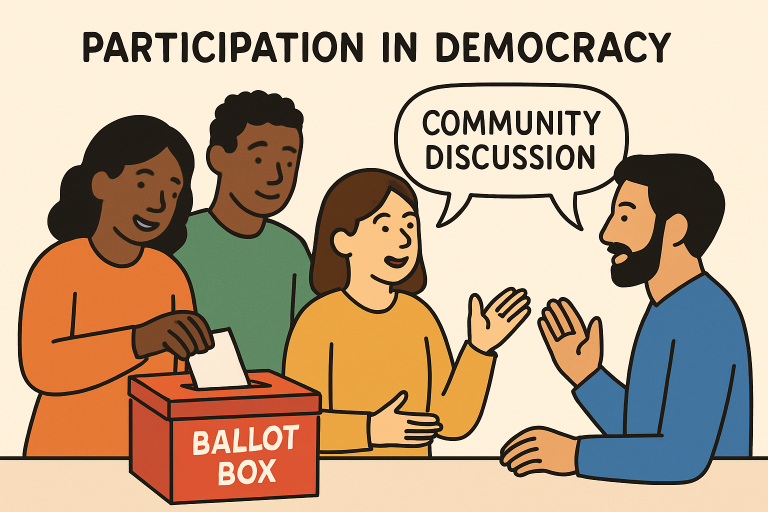
Civic engagement is more than participating in elections. It encompasses volunteering, advocacy, and efforts to improve collective life. When people are involved in the issues that shape their futures, the government is better equipped to represent and serve all citizens. Participatory democracy does not happen by accident; it thrives when institutions and individuals invest in engagement and create pathways for meaningful involvement.
Educational Initiatives Promoting Civic Participation
Education plays a foundational role in fostering democratic participation. Schools that integrate civics into their curricula empower students with the knowledge and critical thinking skills essential for participating in democratic life. Programs such as the American Democracy Project support youth in becoming informed citizens and leaders. By teaching the mechanics of government, history, debate, and digital literacy, students are better prepared to discern credible information and make constructive contributions to society.
Furthermore, lifelong civic education initiatives extend beyond classroom walls, equipping adults and seniors with resources to stay engaged throughout their lives. Adult education courses, local workshops, and online seminars allow citizens to actively participate regardless of age, professional background, or prior experience. This culture of ongoing learning sustains a knowledgeable and dynamically involved electorate, ensuring that democratic participation remains accessible and relevant as communities and technology evolve. By promoting lifelong civic literacy, society strengthens the collective ability to address modern democratic challenges.
The Role of Cultural Institutions in Democracy
Museums, libraries, and theaters serve as pillars of democratic dialogue and community memory. These institutions provide safe spaces for people from diverse backgrounds to come together, learn about shared histories, and debate current issues constructively. Cultural heritage fosters a sense of belonging and responsibility, inspiring people to take part in the democratic process. According to the Council of Europe, cultural participation builds resilience and helps safeguard the values that underpin democracy.
Technological Advancements Enhancing Civic Engagement
Rapid technological advancements have transformed how citizens engage with democratic systems. Digital platforms facilitate real-time communication between people and their representatives, streamline participation in public consultations, and open new avenues for volunteering and advocacy. Artificial intelligence is playing an increasing role in making civic engagement more inclusive, for example, by simplifying budgeting for public review and prioritizing citizen feedback. Still, these tools work best when paired with transparency and accountability measures.
Challenges and Solutions in Civic Participation
Civic participation faces significant headwinds, including disinformation, political polarization, voter suppression, and declining public trust. Solutions must be multifaceted. Media literacy programs can equip people to discern facts from fiction. Transparent communication by public officials helps build trust. Legal protections such as robust voting rights legislation safeguard access to the ballot box for all eligible citizens. The European Democracy Shield is one of several regional efforts dedicated to defending and building resilient democracies under threat.
Successful Civic Engagement Programs
Across the globe, innovative programs demonstrate the power of citizen involvement. The Participatory Politics Foundation, for example, created OpenCongress.org, which allows users to track federal legislation, contact lawmakers, and participate in forums focused on transparency and accountability. The Sandra Day O’Connor Institute for American Democracy advances civics education and civil discourse, emphasizing the role of respectful debate in addressing complex social challenges. Each of these examples proves that democratic vitality depends on fostering spaces where citizens feel empowered and informed.
Future Directions for Strengthening Democracy
The path forward requires ongoing investment in civic education, support for cultural institutions, and responsible deployment of technology to expand access. Embracing new perspectives, especially from youth and traditionally marginalized groups, encourages innovation in democratic problem-solving. Strengthening democracy will also depend on closing participation gaps, promoting transparency, and holding institutions accountable to the people they serve.
Final Thoughts
The promise of democracy rests on collective participation and everyday acts of citizenship. By investing in strong educational programs, supporting spaces for dialogue, embracing technological innovation, and continuing to address contemporary challenges, communities can build lasting foundations for democratic life. Only through persistent civic engagement can democratic values, rights, and responsibilities be safeguarded for future generations.
