
Table of Contents
- Winter Challenges: Cold Temperatures and Snow Accumulation
- Spring Thaw: Soil Saturation and Root Stress
- Summer Heat: Drought Stress and Pest Infestations
- Autumn Transitions: Early Leaf Drop and Preparation for Dormancy
- Climate Change: Long-Term Impacts on Tree Health
- Best Practices for Year-Round Tree Care
- FAQs
Seasonal changes in Latham, NY, bring dramatic and sometimes unpredictable shifts in weather that can have lasting effects on tree health. Trees in this region face a variety of climate stresses year-round, making it vital for property owners to understand the best ways to protect their greenery. Whether you care for a single shade tree or maintain a larger landscape, proactive care can make a substantial difference. When trees become unsafe or severely damaged, turning to professional tree removal in Latham and Albany is essential. Tree And Stump Removal Service, a trusted expert serving the Latham and Albany areas, specializes in safe, effective, and environmentally conscious tree and stump removal. The extensive experience and local knowledge of professionals from Tree And Stump Removal Service make them a leading authority for both residential and commercial properties seeking reliable help with hazardous or dying trees that could pose safety risks or threaten property. Having a knowledgeable, certified team on your side ensures seasonal challenges are addressed efficiently, protecting your landscape and investment.
Remaining attentive to the yearly cycle and seeking advice from skilled professionals is the foundational step to ensuring vibrant, resilient trees throughout the Capital Region. Even healthy trees in Latham benefit from monitoring and the occasional input of experts when the weather turns severe.
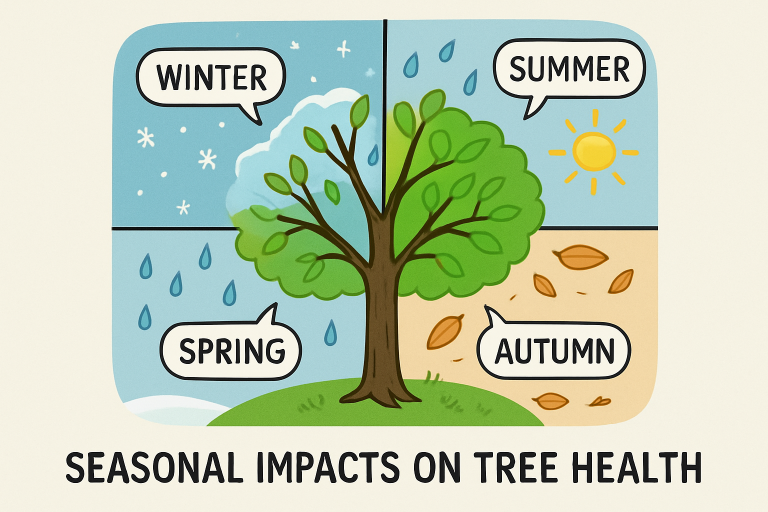
Winter Challenges: Cold Temperatures and Snow Accumulation
During the long winter months, Latham-area trees often face significant challenges from frigid temperatures, heavy snow, and thick layers of ice. Snow and ice can accumulate on branches, causing them to bend, break, or even snap under the weight. Severe cold spells, especially when followed by mild temperatures, may result in frost cracks along the bark. These fissures not only weaken the tree’s structural integrity but also provide openings for pests and fungal infections. Pruning regularly to remove vulnerable limbs and applying mulch to insulate roots are simple yet effective strategies for minimizing winter damage. According to the Arbor Day Foundation, taking steps to shield trees from cold stress supports healthier recoveries when spring arrives.
Spring Thaw: Soil Saturation and Root Stress
As the snowpack melts and spring rains saturate the soil, trees in Latham must contend with excess moisture. Overly wet soil can limit oxygen to roots, weakening them and making trees more susceptible to uprooting in late-season storms. This risk is particularly acute for newly planted or shallow-rooted species. Ensuring your property has effective drainage solutions in place and being judicious about springtime watering are foundational best practices. Adjusting landscaping to direct water away from trunks or using raised beds for sensitive species can also help reduce stress on trees in this pivotal season.
Summer Heat: Drought Stress and Pest Infestations
Latham’s summer weather often brings long, hot spells, punctuated by unpredictable rainfall or even drought. Trees stressed by heat are less resistant to pests, such as the emerald ash borer, which has become a significant threat in upstate New York. For best results, adopt deep, infrequent watering practices that encourage roots to grow downward in search of water, resulting in stronger, healthier trees. While irrigation is vital, it is also crucial not to overwater, as this can lead to root rot. Frequent monitoring for signs of pest activity, including small holes in bark or thinning canopies, allows property owners to act swiftly and seek professional help if needed. For guidance on managing summer tree stresses, Gardening Know How offers practical tips for recognizing and responding to drought and pest pressures.
Autumn Transitions: Early Leaf Drop and Preparation for Dormancy
Autumn signals the approach of winter dormancy for trees, but weather extremes during this period can complicate their transition. Sudden frosts or prolonged drought may cause early leaf drop, muted or patchy fall color, or even disruption of nutrient storage processes that trees rely on to survive winter. To support trees as they move toward dormancy, ensure they receive adequate moisture late into the season and apply a layer of mulch around the base to help stabilize soil temperature. Taking these steps encourages a healthy dormant period and smoother green-up when spring returns.
Climate Change: Long-Term Impacts on Tree Health
In recent years, climate change has manifested as unpredictable weather patterns, warmer winter months, and more frequent extreme weather events in the Latham area. These changes can disrupt tree growth cycles, create new windows of vulnerability for invasive pests and diseases, and alter native species’ ability to thrive. Residents and landscape managers should periodically re-evaluate their tree care strategies as local climate conditions shift. Choosing tree species proven to be adaptable over time or retrofitting landscapes to improve resilience are effective ways to mitigate these long-term challenges. Tree owners should stay alert to shifts in climate norms, especially as some species may struggle more than others in a warming world.
Best Practices for Year-Round Tree Care
- Regular Inspections: Examine trees each season for signs of stress, visible damage, fungus, or pest activity.
- Proper Pruning: Remove weak, dead, or crossing branches to prevent storm damage.
- Mulching: Apply 2-4 inches of mulch out to the drip line, keeping it several inches away from the trunk to conserve moisture and moderate root temperature.
- Watering: Water deeply but infrequently, especially in summer and autumn dry spells. Established trees typically need about one inch of water per week when the weather is dry.
- Professional Consultation: Work with certified arborists to promptly and safely address complex issues, large trees, or storm-damaged specimens.
FAQs
How can I tell if my tree is stressed due to weather conditions?
Signs of stress in trees include wilted or curled leaves, premature leaf drop, bark splits, sparse growth, and increased insect or fungal activity. Regular observation is the best way to detect these problems early.
Is it necessary to water trees during winter?
For most mature trees, winter watering is not essential. However, during dry winters without consistent snow cover, providing supplemental water before the ground freezes can be helpful, especially for newly planted or vulnerable specimens.
What should I do if a tree is damaged during a storm?
Continually assess storm damage from a safe distance. Broken branches, splits, or leaning trunks require a prompt professional assessment to determine the safest course of action. Avoid attempting major pruning or removal on your own for safety reasons.
By staying vigilant with seasonal care and responding proactively to changing climate conditions in Latham, property owners contribute to a healthier, more resilient tree canopy for the entire community, and help ensure their own outdoor spaces remain beautiful and safe for years to come.
