
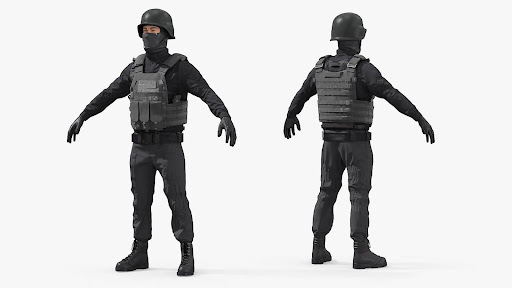
When the temperature plummets and the landscape freezes over, your everyday gear just won’t cut it. Winter tactical clothing isn’t about adding a few extra layers. It’s a specialized system designed to keep you functional, protected, and focused when the cold threatens your performance and safety. Let’s break down the essential cold-weather gear that makes winter operations possible.
Why Winter Demands a Specialized System
In any challenging environment, general-purpose gear often falls short, but this is especially true in extreme cold. At ES Tactical, we understand that the bitter cold does more than cause discomfort; it actively degrades performance, saps energy, and impairs critical decision-making.
A specialized system is therefore non-negotiable; it’s engineered to proactively manage core body temperature and moisture, creating a controlled microclimate that keeps you protected and effective. This science-backed approach is what separates simple survival from maintained operational readiness.
The Three-Layer Principle
Think of your winter gear as a team, with each layer having a specific job.
1. The Base Layer: Your Second Skin
This is your moisture management layer. It sits directly against your skin to wick sweat away, keeping you dry.
- Material Matters: Avoid cotton at all costs—it holds moisture like a sponge. Opt for merino wool (natural, odor-resistant, warm when wet) or synthetic fabrics like polyester (fast-drying, durable).
- Look For: A snug, comfortable fit without restriction.
2. The Insulating Mid-Layer: Your Personal Heater
This layer traps the warmth your body generates. The key is retaining heat without adding bulk that restricts movement.
- Options: Fleece is a classic for its warmth-to-weight ratio and breathability. Puffed synthetic insulation (like PrimaLoft) provides excellent warmth even if damp, while down insulation offers the best warmth for weight but can fail if wet.
- Pro Tip: Consider having two mid-layers of different weights for easy adjustment as activity levels change.
3. The Outer Shell: Your Shield
This is your protection against wind, snow, and rain. A good shell is breathable, allowing vapor from your base layer to escape while blocking external elements.
- Crucial Features: Look for waterproof and windproof membranes (such as Gore-Tex), sealed seams, and strategically placed ventilation zippers to help dissipate excess heat.
- Tactical Needs: Ensure it has a durable face fabric to withstand abrasion from gear and the environment.
Smart Material Choices: The Fabric of Performance
Choosing the right fabric is the cornerstone of effective cold-weather performance. At the forefront are innovative materials like merino wool, a natural fiber prized for its exceptional temperature regulation, moisture-wicking, and natural odor resistance—making it ideal for extended wear.
For insulation, advanced synthetics like PrimaLoft provide reliable warmth even when damp, while modern waterproof-breathable membranes act as a critical shield against snow and wind without trapping sweat inside.
Prolonging Your Gear’s Life
Quality tactical gear is an investment. Protect it.
- Follow Care Labels: Wash technical fabrics with specific, detergent-free cleaners to maintain their water-repellency (DWR).
- Air Dry: When possible, avoid using high heat in dryers, as it can degrade synthetic insulations and membranes.
- Store Properly: Hang jackets and store sleeping bags uncompressed to maintain their loft and insulating power.
The Final Word: Be Smart, Stay Active
The most advanced clothing system can’t compensate for poor decisions. Stay hydrated, fuel your body with high-energy foods, and manage your pace to avoid sweating through your layers. Regularly check yourself and your team for signs of cold injury.
By ES Tactical, understanding and implementing this systematic approach to winter tactical clothing transforms the coldest environments from a debilitating obstacle into a manageable condition. It’s not just about wearing warm clothes; it’s about wearing the right clothes, in the right way, to maintain your operational edge no matter what winter throws at you.
