
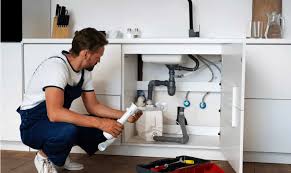
A home’s plumbing system plays a critical role in daily comfort, supporting everything from cooking and cleaning to bathing and heating. Over time, natural wear, mineral buildup, and outdated components can reduce its efficiency, leading to higher water bills, slower flow, and unnecessary strain on pipes and fixtures. Improving plumbing efficiency not only enhances performance but also extends the system’s lifespan and helps conserve valuable resources. Homeowners often overlook the small habits and upgrades that can make a substantial difference in long-term reliability. With the right adjustments, both simple and advanced, a home’s plumbing system can function more smoothly and maintain consistent performance year after year.
Enhancing Everyday Water Use
One of the first steps toward improving plumbing efficiency involves understanding how daily water usage affects the entire system. Small changes in water flow, fixture performance, and appliance operation can have a significant cumulative impact on overall efficiency. Homeowners may notice signs such as reduced pressure, inconsistent temperatures, or frequent clogs, all of which suggest the system may be working harder than necessary. Addressing these indicators early prevents unnecessary strain on pipes and appliances while improving the home’s overall comfort. Today’s households rely on multiple water-using fixtures, from showers and toilets to dishwashers and washing machines, and ensuring that each one operates effectively helps maintain balanced flow throughout the home. Many homeowners trust guidance from companies like Silver Spur Air, Heating, & Plumbing of Houston when evaluating their water usage habits and identifying opportunities to improve performance, reduce waste, and enhance reliability.
Upgrading Fixtures and Appliances for Efficiency
Upgrading outdated fixtures and appliances can significantly improve plumbing system efficiency, as older components often use more water and place unnecessary demand on the system. Modern faucets, showerheads, and toilets are designed to deliver strong performance while using significantly less water, reducing both utility costs and overall strain. These improvements also enhance the quality of daily routines by offering consistent water flow without unnecessary waste. Appliances such as dishwashers and washing machines also benefit from upgrades, especially when older models require more water and energy to complete the same tasks. A newer, more efficient appliance supports the entire plumbing network by balancing usage and reducing pipe wear. Homeowners who replace old fixtures often notice not only improved system performance but also a more comfortable, predictable water experience throughout the home. As each upgrade reduces water usage, the system becomes more resilient, reliable, and easier to maintain over the long term.
Maintaining Flow
Routine maintenance is essential to preserve efficiency, as mineral buildup, small leaks, and worn components can quietly reduce performance. Clearing drains, flushing water heaters, inspecting pipes, and checking for hidden moisture help ensure that water travels smoothly through the system without obstruction. Regular attention prevents costly issues and supports long-term reliability.
Improving Water Heating Efficiency
Water heating represents one of the most significant contributors to household water and energy consumption, making efficiency in this area especially impactful. Traditional tank-based heaters must maintain a constant supply of hot water, which naturally requires more energy, particularly if the tank is older or contains sediment buildup. Flushing the water heater regularly, insulating the tank, and ensuring the thermostat is set to an appropriate temperature all help improve performance. Tankless systems offer an alternative, delivering hot water on demand without the standby energy losses associated with older tank models. Regardless of the type of heater installed, small improvements in its operation enhance overall plumbing efficiency and user comfort. When water heats quickly and remains consistent, less water is wasted waiting for the desired temperature, reducing strain on the system and lowering utility costs.
Addressing Leaks and Pressure Problems
Undetected leaks and improper water pressure are two common issues that significantly impact the efficiency of a plumbing system. Leaks, even those that appear minor, can waste hundreds of gallons of water over time and lead to moisture damage, mold growth, and higher utility bills. Addressing leaks early helps preserve pipe integrity and reduces unnecessary stress on the system. Pressure that is too high can prematurely wear down fixtures and pipes, while pressure that is too low may indicate a buildup, blockages, or aging components. Installing pressure-regulating valves, inspecting fittings, and promptly repairing problem areas promptly maintain balanced flow and extend the system’s lifespan. A well-regulated pressure level supports smooth operation throughout the home, reducing the risk of burst pipes or inefficient appliance performance.
Improving the efficiency of a plumbing system requires thoughtful adjustments, consistent maintenance, and timely upgrades to ensure smooth water flow and long-term reliability. By enhancing daily habits, updating older fixtures, optimizing water heating systems, and promptly addressing leaks or pressure issues, homeowners create a more reliable and resource-efficient plumbing network. These improvements reduce waste, lower costs, and help the entire system operate more reliably. A well-maintained plumbing system not only performs better but also provides peace of mind, ensuring that the home remains comfortable, functional, and prepared to meet evolving water-usage needs for years to come.
