
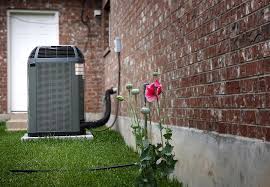
During peak summer, maintaining comfort indoors becomes a daily challenge as temperatures rise and humidity intensifies. Extreme outdoor heat places significant strain on cooling systems, making efficiency and performance crucial to maintaining a livable indoor environment. Modern air conditioning systems are designed to regulate cooling more consistently, manage humidity, and balance airflow to counter the intense summer heat. When these systems operate correctly, homes feel cooler, more stable, and significantly more comfortable even on the hottest days. Improving comfort during extreme weather requires a cooling system that can adjust quickly, maintain steady temperatures, and deliver cooling power without unnecessary strain.
Summer Cooling Benefits
Modern air conditioning systems are designed with advanced features that improve cooling performance in the most demanding summer conditions. These systems support consistent airflow, adjust fan speeds intelligently, and maintain even temperatures throughout different rooms. Older units often struggle to keep up during peak outdoor conditions, resulting in uneven cooling, unnecessary energy consumption, and constant temperature fluctuations that reduce overall comfort. Today’s systems are built to avoid these issues by managing airflow pathways more efficiently, preventing hot spots, and maintaining smoother operation throughout the day. Homeowners often notice the difference immediately when switching to a modern cooling system that distributes air evenly and handles high temperatures with greater stability. Many families also appreciate how companies like Cooler Air Conditioning LLC emphasize the importance of systems that maintain balanced cooling during extreme heat, ensuring dependable comfort when temperatures peak.
Managing Humidity Levels
Controlling humidity is as important as controlling temperature for creating a comfortable indoor environment during peak summer conditions. High humidity makes the air feel heavier and warmer than it actually is, prompting homeowners to lower the thermostat to regain comfort. This increases energy use and places additional strain on the cooling system. Modern systems address this issue by removing excess moisture from the air during the cooling cycle, keeping rooms cooler without requiring extreme temperature adjustments. Better humidity control improves air quality, reduces indoor stickiness, and creates a more refreshing environment. It also reduces the risk of mold growth or moisture in problem areas. When humidity is properly managed, cooling efficiency increases because the system does not need to work overtime to achieve the same effect. This balance between temperature and moisture control helps maintain a pleasant home environment during the hottest summer days.
Improving Performance
Efficient air conditioning systems often rely on clean filters, clear airflow, and well-maintained components to perform consistently. When these elements are in good condition, the system requires less energy to cool the home and operates more effectively during extreme heat. Maintaining performance allows homeowners to enjoy steady temperatures without unnecessary strain on the unit.
Advanced Airflow Management
One of the most noticeable improvements modern cooling systems provide is enhanced airflow management throughout the home. Older units often experience uneven distribution, causing some rooms to cool quickly while others remain warm for extended periods. Newer systems regulate airflow more precisely, ensuring each part of the home receives a consistent level of cooling. This helps eliminate discomfort caused by temperature fluctuations and allows homeowners to move from room to room without sudden temperature changes. Adjustable fan speeds, multi-stage compressors, and improved duct systems all contribute to steady airflow during times of intense heat. Properly managed airflow also supports system longevity by preventing unnecessary strain on components that would otherwise work harder to cool uneven spaces. When airflow is balanced, the entire home becomes more comfortable, and energy use remains controlled, even during peak summer conditions.
Energy Efficiency and Long-Term Comfort
Energy efficiency becomes especially important during peak summer when cooling systems often run for extended periods. Efficient units use technology that cools the home more effectively, reducing monthly costs and minimizing operational strain. Features such as variable-speed motors, improved insulation, and smart thermostats help maintain stable temperatures without frequent cycling. These systems automatically adapt to changing indoor and outdoor conditions, ensuring smooth, efficient operation on the hottest days. Increased efficiency not only benefits homeowners financially but also improves comfort by preventing sudden temperature swings or loud compressor cycles. Over time, efficient units contribute to longer system lifespan and fewer breakdowns because the components do not experience excessive stress. By investing in systems that prioritize both energy performance and cooling stability, homes remain more livable and refreshing even when outdoor temperatures surge.
Peak summer heat places heavy demands on any home’s cooling system, making performance, efficiency, and consistency essential for maintaining comfort. Modern air conditioning systems improve indoor environments by enhancing airflow, controlling humidity, regulating temperatures, and operating more efficiently throughout the hottest days of the year. These systems provide steady cooling without sudden fluctuations and offer homeowners a more enjoyable living space during extreme conditions. A well-designed and well-maintained cooling system ensures comfort, stability, and cost-effective operation all season long. By focusing on advanced cooling features and proper system maintenance, homeowners can enjoy a cooler, more comfortable home as summer temperatures peak.
