
Understanding the Importance of Comfort in Prosthetic Care
Why Comfort Matters
Comfort is one of the most important elements of successful prosthetic use. Whether a person is adjusting to a new limb or updating an older device, comfortable wear allows them to move confidently, perform daily tasks, and maintain an active lifestyle. Professional prosthetic services are designed to support this goal by providing high-quality fittings, personalised assessments, and ongoing adjustments. Comfort is not just a physical factor but also an emotional one, helping individuals feel secure and supported throughout their rehabilitation journey.
How Prosthetic Services Help Improve Daily Living
A well-fitted prosthetic device supports mobility, independence, and long-term wellbeing. With the expertise offered at a prosthetics clinic in Florida, users gain access to tailored assessments and advanced technology. These services ensure that the prosthetic aligns with the person’s lifestyle, body structure, and functional needs. Proper alignment, pressure management, and material selection all contribute to reducing discomfort and improving overall wearability.
Preparing for Your Prosthetic Fitting
Communicating Your Needs Clearly
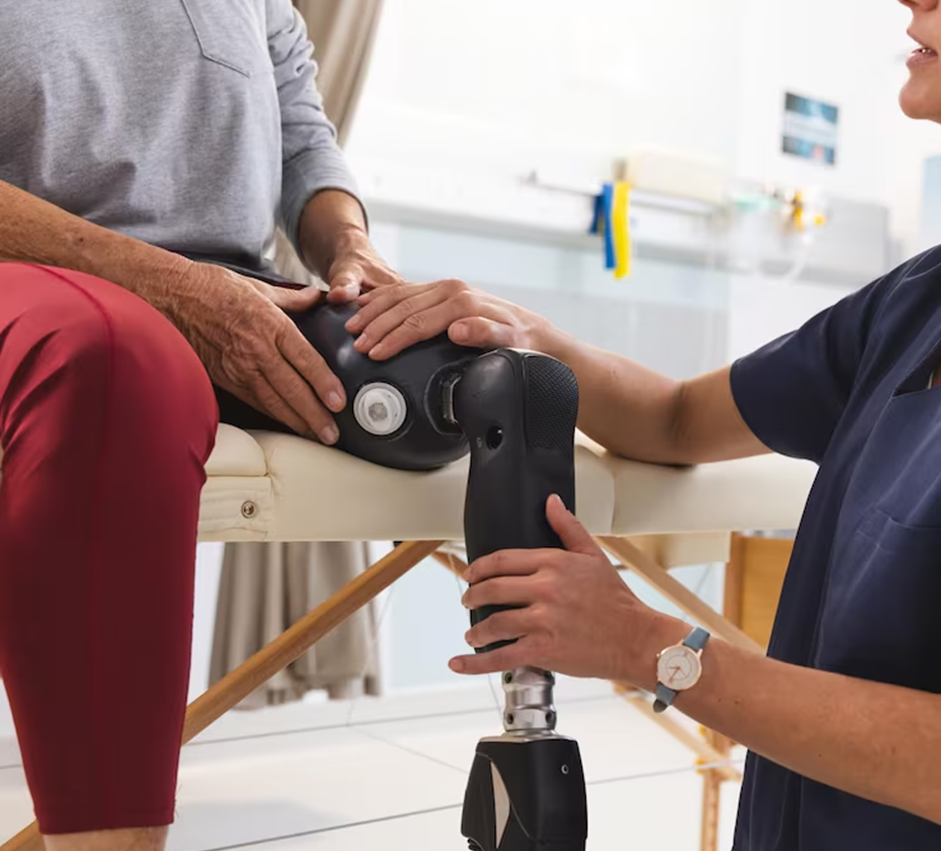
One of the best ways to maximise comfort with prosthetic services is to communicate openly with your provider. Share details about your daily routine, the type of activities you wish to return to, and any concerns you have about discomfort. The information you provide helps the prosthetist understand your expectations and make informed decisions about design, materials, and fit. This collaboration ensures that the device is aligned with your physical demands and comfort requirements.
Understanding the Assessment Process
Before the fitting takes place, a thorough assessment is conducted to understand your residual limb shape, skin condition, range of motion, and overall health. This step allows the prosthetics clinic in Florida to gather information that guides the creation of your prosthesis. Measurements are taken carefully to ensure accuracy, and discussions are held to evaluate your goals. Understanding this process builds confidence and helps you feel more prepared for the next step.
Achieving a Proper Fit
Importance of a Custom Socket
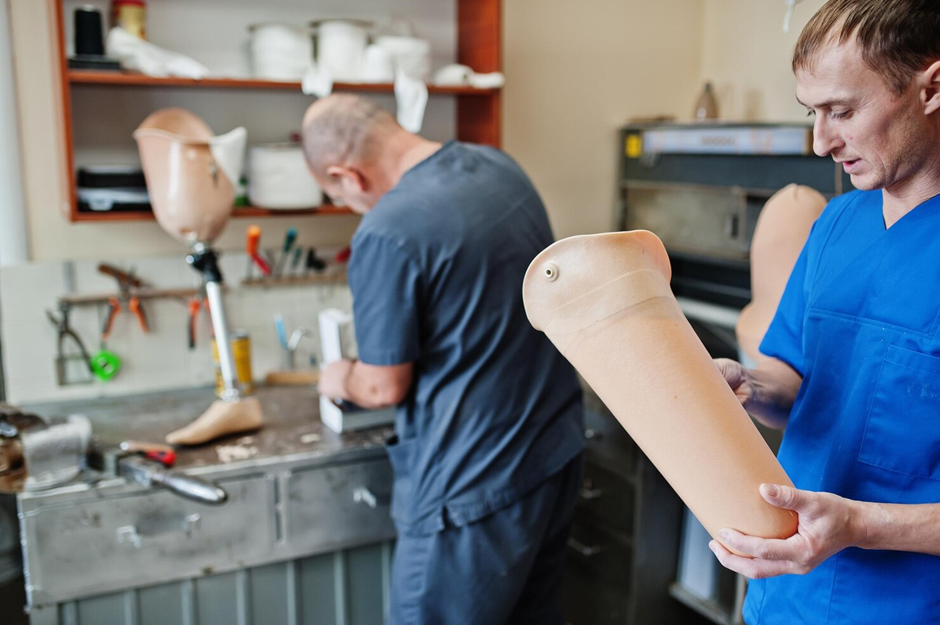
The socket is one of the most critical components of any prosthetic device. It acts as the interface between your residual limb and the prosthesis. A poorly fitted socket can lead to irritation, pressure sores, and instability. However, a custom-designed socket created through professional prosthetic services ensures even pressure distribution and a secure, comfortable fit. The use of modern scanning technology and adjustable components enhances this accuracy, improving overall comfort.
Alignment and Balance
Alignment plays a major role in comfort and function. A prosthesis that is not properly aligned may cause strain on other parts of the body, such as the back, hips, or remaining limb. Skilled prosthetists assess your posture, gait, and body mechanics during the fitting. They make fine adjustments to ensure that your limb moves naturally and safely. Proper alignment reduces fatigue and increases confidence during daily use.
Trial Fittings and Adjustments
Most prosthetic fittings involve several trial stages. These appointments allow the prosthetist to evaluate how your body responds to the device. You are encouraged to walk, sit, stand, and perform movements that resemble your normal routine. Any discomfort or pressure points identified during these sessions can be corrected through adjustments. This step-by-step process ensures that the final prosthesis provides the highest level of comfort possible.
Maintaining Comfort After Receiving Your Prosthesis
Managing Skin Health
Skin care is an essential part of prosthetic comfort. The residual limb may experience friction, heat, or moisture buildup during daily wear. To minimise irritation, users should keep the skin clean and dry, perform regular inspections, and address redness early. Prosthetic liners and socks should be cleaned frequently to prevent bacterial growth. If skin problems persist, the prosthetics clinic in Florida can recommend alternative materials or adjustments to improve comfort.
Using Appropriate Prosthetic Socks and Liners
Prosthetic socks and liners act as cushioning layers between the limb and the socket. They help absorb shock, reduce friction, and improve fit. Wearing the correct thickness is important, especially since limb volume can change throughout the day. A professional prosthetist can recommend the right type of liner based on your needs, whether you require moisture-wicking options, gel liners, or multi-ply socks.
Regular Follow-Up Appointments
Comfort is an ongoing process. As your body changes, your prosthesis may require adjustments. Regular follow-ups with your prosthetic provider ensure that any issues are addressed early. These appointments allow professionals to fine-tune alignment, replace worn components, or update the device to better support your lifestyle. Continuity of care is key to maintaining comfort long term.
Lifestyle Tips for Better Comfort and Function
Staying Active Safely
Staying active helps keep muscles strong, improves balance, and supports long-term mobility. However, adjusting to movement with a prosthetic requires practice and proper guidance. Physiotherapy and strength training can make the process smoother and more comfortable. Working with rehabilitation specialists can help you learn proper techniques to avoid strain and maintain stability.
Wearing the Prosthesis Gradually
For new users, breaking in the prosthesis gradually helps the body adapt comfortably. Start with short wearing periods and slowly increase the time as your skin and muscles adjust. This approach reduces irritation and allows you to identify areas of discomfort before they worsen. Your prosthetic team can guide you through an appropriate wearing schedule.
Choosing Comfortable Footwear
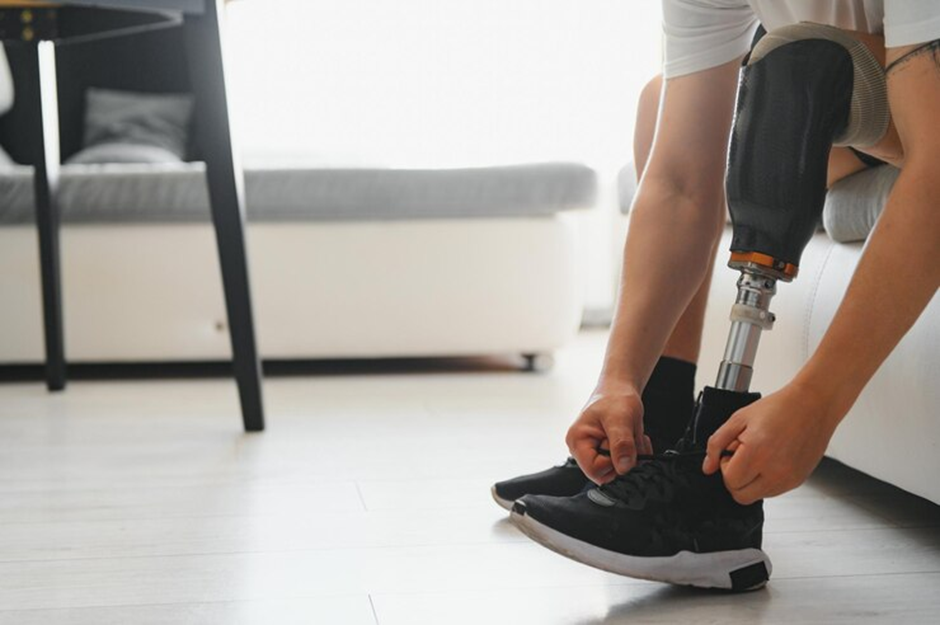
If you use a lower-limb prosthesis, footwear plays a key role in overall comfort. Shoes that provide good support, stable soles, and proper fit contribute to improved balance and reduced strain. High heels, uneven soles, or overly soft shoes may interfere with the alignment of your prosthesis. Your prosthetist can help you choose footwear that supports your device effectively.
When to Seek Professional Help
Signs You Need an Adjustment
It’s important to seek help if you notice changes that affect comfort, such as:
- Persistent redness or skin breakdown
- Increased pressure or pain
- Instability while walking
- Unusual noises from the prosthesis
- A feeling that the device is uneven or loose
Ignoring these issues can lead to further discomfort or injury. Professional prosthetic services are designed to resolve these concerns promptly and effectively.
The Value of Ongoing Support
A prosthesis is not a one-time solution but an evolving part of your lifestyle. Regular support from a prosthetics clinic in Florida ensures that your device continues to meet your needs as your body and daily activities change. This ongoing relationship helps maintain comfort, function, and confidence throughout your prosthetic journey.
Conclusion
Maximising comfort with professional prosthetic services requires open communication, proper fitting, consistent maintenance, and ongoing support. The expertise offered by a prosthetics clinic in Florida allows individuals to receive personalised prosthetic solutions tailored to their daily needs and long-term goals. By staying proactive with skin care, attending follow-up appointments, and working closely with prosthetic providers, users can achieve greater comfort, improved mobility, and a higher quality of life.
